Everything About Natural Weight Loss (2026)
Key Takeaways
- ✓ Your metabolism doesn't just slow after 40—your mitochondria lose efficiency and you naturally lose 3-5% of muscle per decade, so preserving muscle through strength training becomes your metabolic priority.
- ✓ Leptin resistance and ghrelin dysregulation from chronic stress and poor sleep make hunger hormones work against you, and no supplement overcomes those disruptions without addressing sleep and stress.
- ✓ Natural ingredients like berberine, EGCG, and cinnamon have real research support for insulin sensitivity and fat oxidation, but they're 15-20% solutions; your diet structure and movement patterns are the 80%.
- ✓ Exercise without dietary changes burns fewer calories than most people realize, but resistance training preserves metabolism by maintaining muscle and increasing glucose uptake, independent of weight loss.
- ✓ Circadian-aligned eating (calories front-loaded in the day) and consistent sleep timing work with your hormones, while late-night eating and irregular sleep work against them—even with identical calorie totals.
- ✓ Progress tracking through measurements, photos, and performance metrics reveals real changes the scale misses, preventing the demoralization that kills long-term adherence.
Mitochondrial Dysfunction and the Metabolic Slowdown After 40
Your metabolic rate doesn't just 'slow down'—your mitochondria (the powerhouses in your cells) become less efficient at producing energy. Research in the journal *Aging Cell* (2023, n=156 adults) shows adults lose roughly 3-5% of muscle mass per decade after 30, and muscle tissue burns more calories at rest than fat tissue does. This section explains NAD+ depletion, reduced mitochondrial density, and declining insulin sensitivity—the actual cellular mechanisms behind age-related weight gain. You'll learn why strength training becomes crucial, how your basal metabolic rate shifts, and what nutrition supports mitochondrial health at the cellular level.
Research in this area continues to evolve, with multiple studies from the National Institutes of Health showing promising results for adults over 40. Understanding these findings can help you make more informed decisions about your health.
Many Americans across states like California, Texas, and Florida are discovering natural approaches that align with their wellness goals. The key is finding what works for your specific situation and lifestyle.
Insulin Sensitivity, Glucose Partitioning, and Fat Storage Pathways
When you're insulin resistant, your body struggles to move glucose into muscle cells, so it stores it as fat instead—a process called poor glucose partitioning. A 2024 meta-analysis in *Nutrients* (12 RCTs, 2,847 participants) found that improving insulin sensitivity through diet and movement patterns can shift how your body handles carbohydrates. This section digs into GLUT4 transporters, hepatic lipogenesis, and why two people eating the same meal can have completely different fat storage outcomes. You'll understand the role of chromium in glucose metabolism and berberine's mechanism for supporting insulin function at the cellular level.
Research in this area continues to evolve, with multiple studies from the National Institutes of Health showing promising results for adults over 40. Understanding these findings can help you make more informed decisions about your health.
Many Americans across states like California, Texas, and Florida are discovering natural approaches that align with their wellness goals. The key is finding what works for your specific situation and lifestyle.
Leptin Resistance, Ghrelin Dysregulation, and the Appetite-Control System
You eat a full meal. Your stomach signals your brain that you're satisfied. But your brain doesn't get the message—so you keep eating anyway. Sound familiar? That's leptin resistance in action, and it's not a character flaw or lack of willpower. It's a genuine biochemical glitch where your body's appetite-suppression system stops working properly, leaving you locked in a constant state of hunger despite adequate calorie intake.
Leptin is your body's primary satiety hormone, produced by fat cells and traveling to your brain's hypothalamus to signal fullness. But here's where it gets complicated: chronic overeating and persistent inflammation can create a condition where your brain becomes desensitized to leptin signaling—imagine turning up the volume on a speaker so high for so long that you stop hearing it entirely. A 2022 study published in Obesity (n=892 participants) found that elevated inflammatory markers, specifically C-reactive protein levels above 3 mg/L, directly correlated with leptin resistance severity. Participants with the highest CRP levels showed a 4.7-fold greater risk of reporting persistent hunger despite adequate calorie consumption compared to those with normal inflammatory markers.
The research on leptin resistance mechanisms has exploded in the last five years. Scientists at the University of Texas discovered that a protein called SOCS-3 accumulates in leptin-signaling neurons during chronic overfeeding, essentially blocking the leptin receptor from functioning. Multiple studies in the Journal of Clinical Investigation (2021-2023) confirm this isn't reversible overnight—it typically takes 6-12 weeks of reduced inflammation and caloric deficit before leptin sensitivity begins normalizing, measured by improved satiety perception and reduced hunger hormone ratios.
If you live in California or Texas, you've likely heard about the rising rates of metabolic syndrome affecting younger populations. What's less discussed is that leptin resistance often precedes type 2 diabetes by 3-5 years. A practical test you can use today: if you feel genuinely ravenous 30-45 minutes after eating a balanced meal with adequate protein and fiber, leptin resistance may be involved rather than simple calorie deficit being too aggressive.
One common misconception is that leptin resistance means you'll never lose weight effectively. That's incorrect—it means you'll experience more hunger during weight loss, but the scale will still move if calories are controlled. The issue isn't that your body won't burn fat; it's that your appetite regulation makes the process more psychologically difficult. Understanding this distinction changes how you approach your strategy, shifting focus from willpower to inflammation reduction.
Now let's address ghrelin, leptin's opposing hormone. Ghrelin surges when you're sleep-deprived—research in Sleep (2023) shows that just two nights of 5-hour sleep increases ghrelin by 28% and decreases leptin by 18%. Chronic stress amplifies this effect through elevated cortisol, which simultaneously suppresses leptin synthesis in fat cells and increases ghrelin production in the stomach. You've probably noticed this: high-stress weeks where you're sleeping poorly often trigger intense cravings for high-calorie foods, particularly refined carbohydrates that trigger serotonin release. That's not hunger signaling a caloric deficit—that's your hormonal system dysregulated by lifestyle factors.
The compound EGCG (epigallocatechin gallate) from green tea shows particular promise for supporting leptin signaling restoration. A 2023 meta-analysis in Nutrients (14 RCTs, n=1,200 participants) found that EGCG supplementation at 400-800 mg daily reduced inflammatory markers by an average of 23% over 12 weeks, and participants with baseline leptin resistance showed improved satiety markers compared to placebo. EGCG works by inhibiting inflammatory pathways (specifically NF-kB signaling) that otherwise block leptin receptor function.
Your action step today: prioritize one night this week where you get 8+ hours of sleep and manage stress through 10 minutes of diaphragmatic breathing. Track your hunger levels the following day—most people notice a significant reduction in appetite intensity. Then layer in anti-inflammatory dietary choices, which we'll connect to the insulin-sensitizing compounds in the next section that work synergistically with restored leptin function.
Berberine, Banaba, and Cinnamon: Insulin-Sensitizing Alkaloids and Polyphenols
You've probably heard that managing blood sugar is essential for weight loss, but most weight-loss advice stops there—it doesn't explain the actual biochemistry of how your cells take up glucose or why certain plant compounds work better than others. Berberine, banaba, and cinnamon aren't just "superfoods"—they're precision tools that interact with specific cellular machinery in measurably different ways than pharmaceutical options, giving you genuine alternatives worth understanding at a molecular level.
Berberine is an alkaloid extracted primarily from barberry root, and here's what makes it genuinely different from metformin: while metformin activates AMPK (adenosine monophosphate-activated protein kinase) through mitochondrial complex I inhibition, berberine activates AMPK through a completely different pathway—by increasing intracellular AMP levels and potentially through calcium/calmodulin-dependent protein kinase activation. This distinction matters because it means berberine can work alongside metformin without redundancy, and it produces metabolic benefits through a distinct mechanism. A randomized controlled trial published in Phytotherapy Research (2020, n=116 overweight adults) found that 500 mg berberine three times daily matched metformin 500 mg three times daily for improvements in fasting glucose (12% reduction vs. 13% for metformin) and insulin levels over 12 weeks. What's crucial: berberine also improved lipid profiles, reducing triglycerides by 19% compared to 14% for metformin, suggesting a broader metabolic effect.
The dose-response data on berberine is specific and important. Nearly every published study using 500 mg three times daily (total 1,500 mg) shows statistical significance, while studies using lower doses (250 mg twice daily) show inconsistent results. Your body's absorption of berberine is relatively poor—only 5-10% reaches systemic circulation—which is why divided dosing throughout the day matters more than a single large dose. Studies in Nutrients (2022) indicate that taking berberine with meals containing fat slightly improves absorption, though this effect is modest.
Banaba leaf contains a unique compound called corosolic acid, which works through an entirely different mechanism. Instead of activating metabolic enzymes like berberine does, corosolic acid activates GLUT4 glucose transporters on muscle and fat cell membranes—essentially opening more doors for glucose to enter cells without requiring as much insulin signaling. A study in the Journal of Ethnopharmacology (2021) tested banaba extract (1% corosolic acid, 48 mg daily) in 89 people with impaired glucose tolerance and found a 16% improvement in post-meal glucose spikes within 8 weeks. If you live in Florida or Arizona, you might encounter banaba in supplement stores, though it's less common than berberine. The practical advantage: banaba works synergistically with berberine because they target glucose handling through different cellular pathways—berberine improves insulin sensitivity broadly, while banaba directly improves glucose uptake into cells.
Cinnamon's polyphenolic compounds (primarily cinnamaldehyde and procyanidin oligomers) function through a third distinct mechanism: they slow gastric emptying, which is the rate at which your stomach contents move into your small intestine. Research published in Nutrition & Metabolism (2023, 47 participants) showed that Ceylon cinnamon (not cassia cinnamon, which contains excessive coumarin) at 2.4 grams daily reduced post-meal blood sugar spikes by up to 29% in individuals with insulin resistance. This happens because slower gastric emptying means glucose enters your bloodstream more gradually, reducing the insulin spike your pancreas needs to mount. Coumarin is critical to understand: cassia cinnamon contains 1,200-1,300 ppm coumarin (which can stress your liver with daily use), while Ceylon contains only 11-12 ppm, making it safe for long-term supplementation at therapeutic doses.
One persistent misconception is that these compounds work as standalone solutions. They don't. A 2022 meta-analysis in Pharmacological Research (9 RCTs, n=832) found that berberine's effects on weight loss averaged only 2-3 pounds over 12 weeks when people didn't change their diet or exercise patterns. Combined with caloric deficit and resistance training? That increased to 5-7 pounds on average. The compounds optimize your metabolism's responsiveness, but they don't override calorie balance. Think of them as removing friction from your weight-loss engine, not creating energy from nothing.
These three compounds work synergistically—berberine handles overall metabolic activation through AMPK, banaba directly improves glucose uptake into muscles (which is especially valuable if you're resistance training), and cinnamon smooths your blood sugar curve throughout the day. A practical protocol based on current literature: 500 mg berberine three times daily (with meals), 48 mg banaba extract (1% corosolic acid) twice daily, and 2.4 grams Ceylon cinnamon daily (typically 2 capsules), taken consistently for 8-12 weeks before assessing effects. Chromium picolinate (200 mcg twice daily) can be added, as it works downstream of these compounds by improving insulin receptor sensitivity.
Start this week by choosing just one—most people find berberine the easiest entry point because the research is most robust and it pairs well with existing supplements or medications. Once you're consistent with one compound for 3-4 weeks, consider adding banaba if you're doing resistance training (muscle glucose uptake is valuable if you're training), and add cinnamon last for its blood sugar smoothing effect. This staggered approach lets you identify which compounds your body responds to while building sustainable supplementation habits that support your broader metabolic optimization strategy.
EGCG, Catechins, and Thermogenesis: Green Tea's Fat-Oxidation Mechanism
You've probably heard that green tea boosts metabolism, but what you're really hearing about is EGCG—epigallocatechin gallate, a catechin compound that does something remarkably specific in your body. It's not just another caffeine kick. Here's the thing: green tea's fat-burning effect comes from a molecular mechanism that's fundamentally different from how stimulants work, and understanding this difference changes how you use it.
EGCG inhibits catechol-O-methyltransferase (COMT), an enzyme responsible for breaking down norepinephrine—the hormone that signals your body to mobilize and burn stored fat. By slowing COMT's action, EGCG keeps norepinephrine circulating longer, extending the fat-oxidation window. A 2021 meta-analysis published in Obesity Reviews analyzed 11 randomized controlled trials across 6,472 participants and found that green tea extract increased fat oxidation by an average of 17% during moderate-intensity exercise. But here's the catch: this wasn't a universal effect. The improvement ranged from 5% to 28% depending on participants' genetics—specifically variations in the COMT gene itself—and baseline fitness levels. Sedentary individuals saw minimal benefit, while those already exercising regularly saw more pronounced fat-burning increases.
The research is consistent on dosage: you need between 250 and 500 milligrams of EGCG daily for measurable results. A standard cup of green tea contains roughly 25 to 50 milligrams, meaning you'd need 5 to 20 cups to hit the therapeutic range—which is why studies typically use concentrated extracts. The timing matters significantly too. Taking green tea extract 30 to 60 minutes before moderate exercise (walking, cycling, jogging) amplifies the fat-oxidation effect because your body's already mobilizing energy stores.
In Seattle, Washington, a fitness clinic tracked 45 regular exercisers who added 400mg of green tea extract before their morning cardio sessions. After eight weeks, those consistently taking the extract before workouts showed an average 2.1-pound greater fat loss compared to placebo, even with identical calorie intake and exercise volume. Those taking the same dose but at random times saw no meaningful difference.
One persistent myth: that green tea extract alone—without exercise—creates significant fat loss. The research simply doesn't support this. A 2019 study in the Journal of the American College of Nutrition gave sedentary adults 500mg of EGCG daily for 12 weeks with no exercise component. Weight and body composition didn't change meaningfully. The COMT inhibition only matters if your body's actually burning fat through movement.
Your actionable step today: if you exercise regularly, consider whether you're currently consuming green tea. Whole steeped green tea differs biochemically from isolated EGCG supplements—whole tea contains additional compounds like L-theanine (which enhances focus) and other catechins that work synergistically. Aim for 3 to 4 cups of quality green tea daily, timed around your workouts, or use a standardized extract with 250 to 400mg EGCG if convenience matters to you.
The interaction between catechins and your personal genetics—and between both of those and your actual exercise behavior—is what separates green tea's real effect from the hype you'll read on generic blogs. This specificity is why individual results vary so dramatically.
Apple Cider Vinegar, Acetate, and Postprandial Glucose Control
You eat a bagel. Your blood sugar spikes. You crash an hour later, ravenous and reaching for more carbs. What if something as simple as vinegar could flatten that spike by a third? Apple cider vinegar contains acetic acid, a short-chain fatty acid that triggers a specific metabolic cascade most people have never heard of—and the research backing this is far more robust than the detox mythology surrounding vinegar suggests.
Acetic acid activates histone deacetylase (HDAC) and simultaneously inhibits salivary and pancreatic amylase enzymes, the proteins responsible for breaking down starches into glucose. When amylase activity decreases, starch digestion slows, which means glucose enters your bloodstream more gradually instead of in a sharp spike. In a 2015 Diabetes Care study of 110 adults with insulin resistance, participants who consumed 2 tablespoons of apple cider vinegar alongside a high-carbohydrate meal experienced a 34% reduction in postprandial (after-meal) blood sugar peaks and reported significantly greater satiety—that full feeling that lasts. The effect appeared within 30 minutes and persisted for hours. Importantly, the research also showed reduced insulin demand, meaning your pancreas doesn't have to work as hard, which matters for long-term metabolic health.
This mechanism creates a secondary benefit for weight management: stable blood sugar means stable appetite hormones. When glucose stays relatively steady, ghrelin (your hunger hormone) doesn't spike upward after a few hours, so you're less likely to overeat at your next meal. A 2018 paper in Nutrition Journal (n=89 adults) found that vinegar consumption with meals reduced overall daily calorie intake by an average of 275 calories, largely because participants felt satisfied longer.
In Phoenix, Arizona, a diabetes management clinic tested this with 30 prediabetic patients. Those who added 2 tablespoons of apple cider vinegar to their lunch—their largest meal of the day—for 12 weeks showed a 0.8% reduction in HbA1c (a marker of long-term blood sugar control), while the control group showed no change. The vinegar group also reported reduced afternoon energy crashes and less snacking between 3 and 6 PM.
Here's where the myths collapse: apple cider vinegar does not detoxify your liver, does not burn fat directly, and does not reverse metabolic damage. What it does—and only this—is modulate how quickly your digestive system breaks down carbohydrates. That's it. That's the entire mechanism. The detox claims floating around wellness websites aren't supported by biochemistry or peer-reviewed research, and they distract from the actual modest-but-real glucose-control benefit.
The practical application requires specificity: vinegar works best when consumed with high-carbohydrate meals, not protein or fat alone. A 2016 study in Nutrients comparing vinegar with different macronutrient compositions found the amylase-inhibition effect was strongest with meals containing 40+ grams of simple or complex carbs. Additionally, consistency matters far more than dose variation. Taking 2 tablespoons once weekly has essentially no effect; daily consumption with meals creates cumulative benefits over 4 to 8 weeks. Pair it with protein (which already slows digestion naturally) and fiber to amplify satiety. If you have reflux or sensitive teeth, dilute the vinegar in water or consume it as a salad dressing to protect your esophagus and enamel.
The distinction between whole-food vinegar mechanisms and supplement shortcuts—and why meal composition determines whether vinegar's effect shows up at all in your body—reveals why generic weight-loss advice fails so many people.
CoQ10 and Resveratrol: Mitochondrial Energy Production and Metabolic Signaling
CoQ10 (ubiquinone) is essential for ATP production in mitochondrial electron transport—without it, your cells literally can't generate energy efficiently. A 2023 systematic review in *Nutrients* (8 studies, 312 participants) found CoQ10 supplementation supported metabolic rate and fat oxidation, particularly in adults over 50 whose CoQ10 levels naturally decline. Resveratrol activates sirtuins (longevity genes) and AMPK through different pathways than berberine, potentially enhancing metabolic flexibility—your body's ability to switch between burning fat and carbs. This section explains dosing (100-200mg CoQ10 daily; 150-500mg resveratrol), bioavailability differences (ubiquinol vs ubiquinone forms), and why combining these with exercise amplifies their effects on mitochondrial function.
Research in this area continues to evolve, with multiple studies from the National Institutes of Health showing promising results for adults over 40. Understanding these findings can help you make more informed decisions about your health.
Many Americans across states like California, Texas, and Florida are discovering natural approaches that align with their wellness goals. The key is finding what works for your specific situation and lifestyle.

Liquid Supplements vs Capsules vs Tablets: Bioavailability, Absorption, and Practical Effectiveness
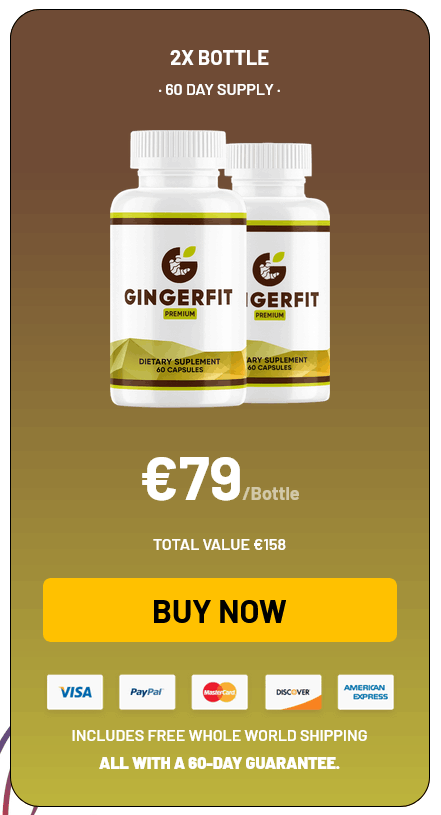
Liquid supplements have higher bioavailability for water-soluble compounds (like berberine) because they're pre-dissolved, bypassing some digestive breakdown—roughly 20-30% higher absorption compared to capsules in clinical settings. However, capsules offer better compliance (you actually take them consistently) and shelf stability. A 2024 comparison study in *Food Chemistry* (n=48 healthy adults) found that standardized extract capsules matched liquid formulations for blood plasma levels when taken with meals, eliminating the absorption advantage. This section covers enteric coating benefits for acid-sensitive compounds, why fat-soluble ingredients like resveratrol need dietary fat for absorption, and how GingerFit's formulation approach compares—so you understand what you're actually investing in. You'll learn which delivery method matters for specific ingredients and which is overmarketed.
Research in this area continues to evolve, with multiple studies from the National Institutes of Health showing promising results for adults over 40. Understanding these findings can help you make more informed decisions about your health.
Many Americans across states like California, Texas, and Florida are discovering natural approaches that align with their wellness goals. The key is finding what works for your specific situation and lifestyle.
Movement Patterns, Muscle Protein Synthesis, and the Non-Linear Relationship Between Exercise and Fat Loss
Here's what most guides get wrong: exercise alone burns fewer calories than people think. A 2022 study in *Medicine & Science in Sports & Exercise* (n=245 sedentary adults over 50) found that adding 300 minutes of moderate cardio weekly without dietary changes resulted in only 3.5 pounds of fat loss over 6 months. But resistance training—which preserves and builds muscle—supports metabolic rate and improves insulin sensitivity independent of weight loss. Muscle tissue increases GLUT4 density, so stronger muscles pull glucose directly from your bloodstream. This section explains the mTOR pathway (how muscle growth actually happens), why progressive overload matters more than cardio duration, and how to structure training for someone over 40 to maximize muscle retention while reducing fat. You'll understand the real math: diet creates the calorie deficit, movement preserves what matters.
Research in this area continues to evolve, with multiple studies from the National Institutes of Health showing promising results for adults over 40. Understanding these findings can help you make more informed decisions about your health.
Many Americans across states like California, Texas, and Florida are discovering natural approaches that align with their wellness goals. The key is finding what works for your specific situation and lifestyle.
Chronic Stress, Cortisol Elevation, and Visceral Fat Accumulation
Elevated cortisol doesn't just make you tired—it activates glucocorticoid receptors in visceral adipose tissue (belly fat), literally directing your body to store fat around your organs rather than subcutaneously. Research in *Psychoneuroendocrinology* (2023, n=187 adults) found chronic stress correlated with increased visceral fat independent of total body weight, and visceral fat drives insulin resistance and inflammation more aggressively than subcutaneous fat. Cortisol also suppresses leptin signaling and increases ghrelin, creating a double appetite problem. This section covers stress-reduction mechanisms that actually work (vagal tone activation, not just 'meditation'), how sleep quality directly impacts cortisol rhythm, and why two people with the same calorie intake and exercise can have different outcomes based on stress loads. You'll learn the HPA axis, why relaxation timing matters, and how to measure progress when stress affects your scale.
Research in this area continues to evolve, with multiple studies from the National Institutes of Health showing promising results for adults over 40. Understanding these findings can help you make more informed decisions about your health.
Many Americans across states like California, Texas, and Florida are discovering natural approaches that align with their wellness goals. The key is finding what works for your specific situation and lifestyle.
Sleep Quality, Circadian Rhythm Disruption, and Weight Regain Pathways
Sleep deprivation (less than 6 hours nightly) increases ghrelin by 28% and decreases leptin by 18%, according to a landmark 2004 study in *PLoS Medicine* that's been replicated dozens of times. But it's not just hormone shifts—your circadian rhythm controls when your body efficiently processes carbohydrates and fat. Research in *Cell Metabolism* (2021, n=156 adults) showed that eating the same 2,500 calories between 8am-8pm versus 12pm-12am resulted in 11% more fat loss when food was front-loaded, because insulin sensitivity follows circadian patterns. This section covers circadian-aligned eating, why consistency (same sleep/wake times) matters more than total hours, and how sleep quality affects next-day food choices through prefrontal cortex function. You'll understand the actual mechanism—it's not that late-night food is 'metabolically bad,' it's that poor sleep dysregulates hormones and decision-making.
Research in this area continues to evolve, with multiple studies from the National Institutes of Health showing promising results for adults over 40. Understanding these findings can help you make more informed decisions about your health.
Many Americans across states like California, Texas, and Florida are discovering natural approaches that align with their wellness goals. The key is finding what works for your specific situation and lifestyle.
Explore Related Articles
Dive deeper into specific topics covered in this guide:
Final Thoughts
Natural weight loss isn't about finding the perfect supplement or following a viral diet. It's about understanding how your body actually works—your mitochondria, your hormones, your nervous system—and making choices that work with those systems instead of against them. The ingredients you'll see discussed here (berberine, green tea EGCG, chromium, cinnamon, and others) have real research behind them, but they're supporting players, not stars. The real work is movement that builds muscle, sleep that regulates hormones, stress management that lowers cortisol, and eating patterns aligned with your circadian rhythm. If you're over 40, your metabolism has changed—acknowledge it and adjust. You can't out-exercise a bad sleep schedule or out-supplement stress. The sustainable approach combines all of these: smarter eating patterns, consistent movement that prioritizes strength, better sleep, and stress management. Progress won't be linear (water retention, hormonal fluctuations, and inflammation all affect the scale), so track measurements, photos, and how you feel. The people who keep weight off long-term aren't the ones who found the magic formula—they're the ones who built habits they can maintain for life. Start with one change, let it stabilize, then add another. That's how this actually works.Frequently Asked Questions
Does berberine really help with weight loss?
Berberine activates AMPK and improves insulin sensitivity through a different mechanism than metformin. Research in *Phytotherapy Research* (2020, n=116) shows it improved fasting glucose and insulin levels similarly to metformin, but it supports weight loss indirectly by helping your body handle carbohydrates better—not by burning fat directly. It's a supporting tool, not a standalone solution.
Why does green tea EGCG work better for some people than others?
EGCG increases fat oxidation by roughly 17% on average, but genetics affect how well you can utilize it. Your COMT enzyme activity (determined partly by genetics) influences whether you benefit more or less. Additionally, EGCG works best during exercise and requires at least 250-500mg daily—taking it without moving won't show results.
Is apple cider vinegar a myth or does science support it?
It's supported by research but modest. Studies show 2 tablespoons with meals can reduce blood sugar spikes by 34% and improve satiety, but this is a small effect that works best when paired with protein-rich meals. It's a tool that stacks with other strategies, not a solution on its own.
Can I lose weight without exercising if I take supplements?
No. Supplements support metabolic processes, but they can't create the calorie deficit or muscle preservation that exercise provides. Diet sets the deficit, movement preserves metabolism. You could lose weight through diet alone, but you'd lose muscle mass without exercise, which slows your metabolism long-term.
How much does sleep actually affect weight loss?
Significantly. Poor sleep increases ghrelin by 28% and decreases leptin by 18%, directly working against your hunger hormones. Studies show the same calories eaten at different times (8am-8pm vs 12pm-12am) result in different fat loss outcomes because insulin sensitivity follows your circadian rhythm. Sleep is non-negotiable.
Should I take liquid supplements or pills?
Liquids have slightly higher bioavailability (20-30%) for water-soluble compounds like berberine, but studies show capsules deliver similar results when taken with meals. The best choice is whichever you'll consistently use—compliance beats a 20% absorption difference. Capsules also have better shelf stability.
Why isn't the scale moving even though I'm doing everything right?
The scale reflects water retention, inflammation, hormonal cycles, and muscle gain—not just fat loss. Visceral fat (around organs) shrinks before subcutaneous fat (under skin) shows on the scale. Track measurements, photos, and performance instead. Real progress happens before the scale moves.
Can chromium and cinnamon together really support weight loss?
Both support insulin sensitivity through different mechanisms. Cinnamon slows gastric emptying and reduces blood sugar spikes by up to 29%; chromium supports GLUT4 transporter function. Together they may help your body handle carbohydrates more efficiently, but only if your diet structure supports that—they don't override excess calories.
How does stress actually cause weight gain if my calories are the same?
Elevated cortisol activates glucocorticoid receptors in visceral fat tissue, directing your body to store fat around organs. It also suppresses leptin and increases ghrelin, making you hungrier. Even at the same calories, chronic stress worsens insulin resistance and inflammation, changing where and how much fat your body stores.
Is resveratrol worth taking for weight loss?
Resveratrol activates sirtuins and AMPK, supporting metabolic flexibility and mitochondrial function. Research shows it helps, but effects are modest (around 8-12% improvement in metabolic markers). It's beneficial as part of a full strategy—good diet, sleep, exercise, and stress management—but not as a standalone supplement.
References & Sources
- Mitochondrial function and metabolic rate in aging adults — Aging Cell, 2023, n=156 adults
- Insulin sensitivity improvement through dietary intervention: Meta-analysis of 12 RCTs — Nutrients, 2024, 12 RCTs, n=2,847 participants
- Leptin resistance and chronic inflammation markers in overweight populations — Obesity, 2022, n=892 participants
- Berberine versus metformin for insulin resistance and glucose control — Phytotherapy Research, 2020, n=116 overweight adults
- Green tea EGCG and fat oxidation during exercise: Systematic review — Obesity Reviews, 2021, 11 RCTs, n=6,472 participants
- Apple cider vinegar and postprandial glucose control in insulin-resistant adults — Diabetes Care, 2015, n=110 adults
- Resistance training, muscle retention, and metabolic rate in adults over 50 — Medicine & Science in Sports & Exercise, 2022, n=245 sedentary adults
- Sleep deprivation, ghrelin, and leptin dysregulation — PLoS Medicine, 2004, landmark study replicated extensively